insight
insight
announcement
press
Author:
April Ford
Co-Founder Brendan Ford trained as a baker before working as a short-order chef, and that food background shaped the whole approach. "It's common sense," Ford said. "A lot of brands build a promotion around whatever free thing a supplier's going to give them, or whatever's cheap to make. We flipped it so we thought about the customer first, not ourselves."
Co-Founder Brendan Ford trained as a baker before working as a short-order chef, and that food background shaped the whole approach. "It's common sense," Ford said. "A lot of brands build a promotion around whatever free thing a supplier's going to give them, or whatever's cheap to make. We flipped it so we thought about the customer first, not ourselves."
Co-Founder Brendan Ford trained as a baker before working as a short-order chef, and that food background shaped the whole approach. "It's common sense," Ford said. "A lot of brands build a promotion around whatever free thing a supplier's going to give them, or whatever's cheap to make. We flipped it so we thought about the customer first, not ourselves."
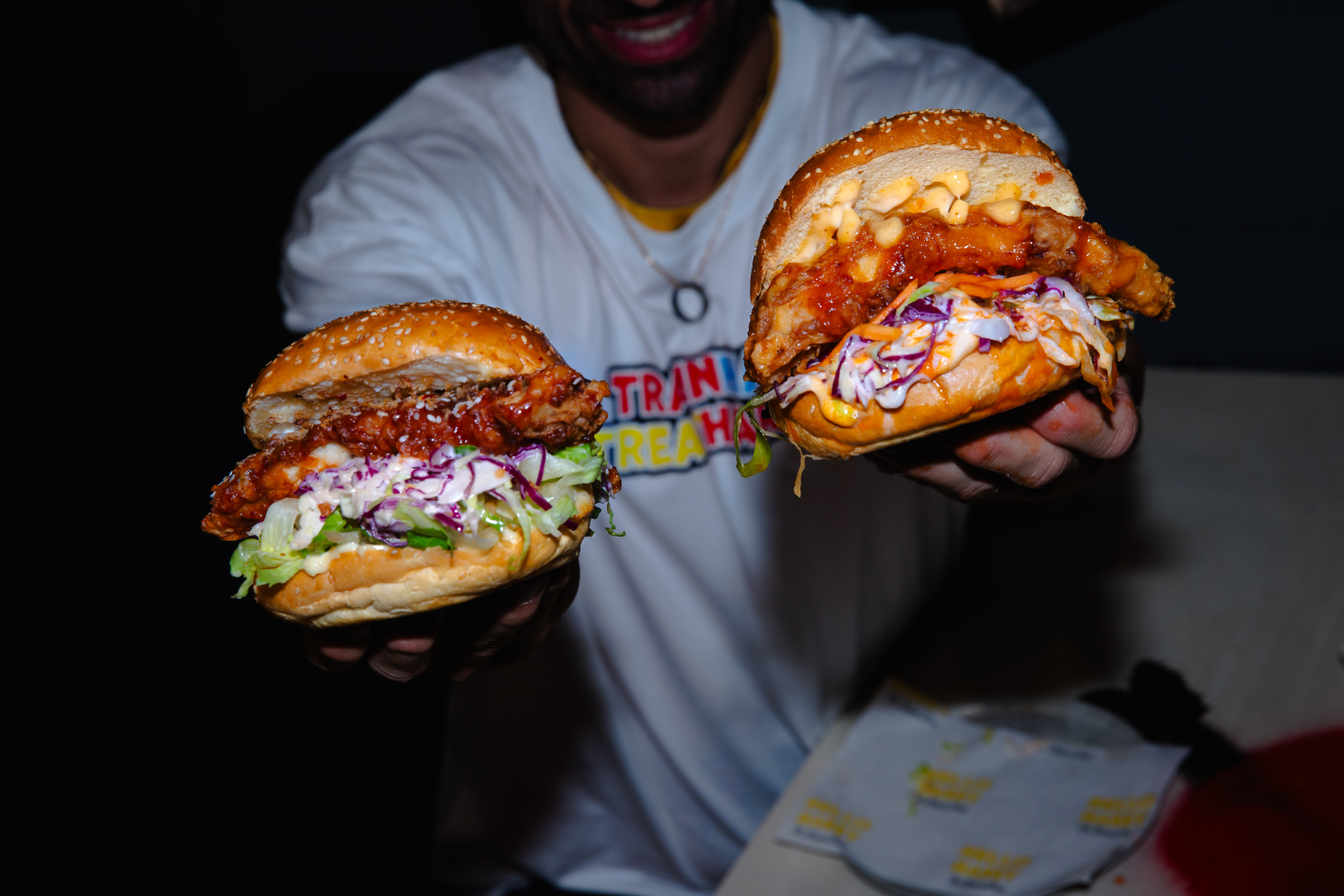
Hello Harry runs 22 franchise-owned stores nationally and is growing rapidly. Rather than one national campaign, April Ford took it store by store. "The biggest franchises in the world stick a sports star on a burger who's got nothing to do with flavour, spend a fortune marketing it, and it doesn't sell," Ford said. "So what we did was just make a really good product and partnered with a genuine food-lover, J Webby.
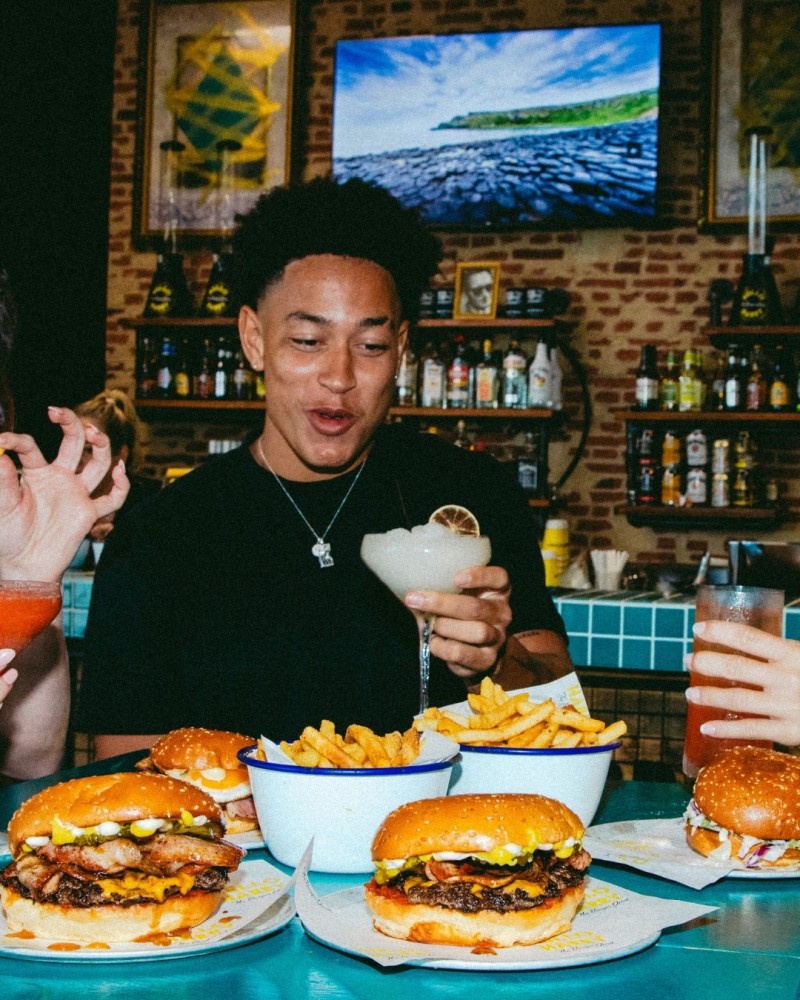
The team looked beyond burgers entirely. They analysed the highest-selling and highest-viewed recipes and flavours across an extended period, not just the past six months. From there, they advised Hello Harry on combinations that were new and interesting but fundamentally tasted good. "The problem with a lot of concept promotions is they just don't taste good," Ford said. "We wanted flavours that were exciting but still landed, so people would buy it more than once. That's when economies of scale actually kick in and they make money."
On media, April Ford built a unique audience for every store, concentrating spend on the customers most likely to walk in. "In-store has a higher average spend," Ford said. "Push everything to delivery platforms and the product's horrible by the time it gets there, plus there's no margin left after the fees. You lose control of the whole experience."
Channel selection followed the audience, not the trend: TikTok for under-25s, Instagram for under-45s, Facebook for everyone else. High-frequency programmatic display reached the brand's core male 25-to-45 customer on the sites they spend the most time on: sport and news, etc. "Click on a burger ad on social and you're flooded by every competitor in the category within days," Ford said. "Display puts food in front of the right person without fighting in the same contested space."
Most franchise groups operate on a mandated marketing levy, a fixed percentage of revenue set out in the franchise agreement. Brendan Ford said that discipline is unique to the model, and it's a big part of why the strategy could work at all. "The first thing I ask a client is what percentage of revenue goes towards marketing," Ford said. "Some have a figure already, some don't and we work it out for them. But with franchises, it's mandated. They have to spend it."
That forced consistency matters more than people think. "You can't go up and down with a franchise marketing budget the way a standalone business might," Ford said. "It has to be spent, and that discipline is why a lot of franchises grow the way they do. It's not a nice-to-have, it's built into the agreement."
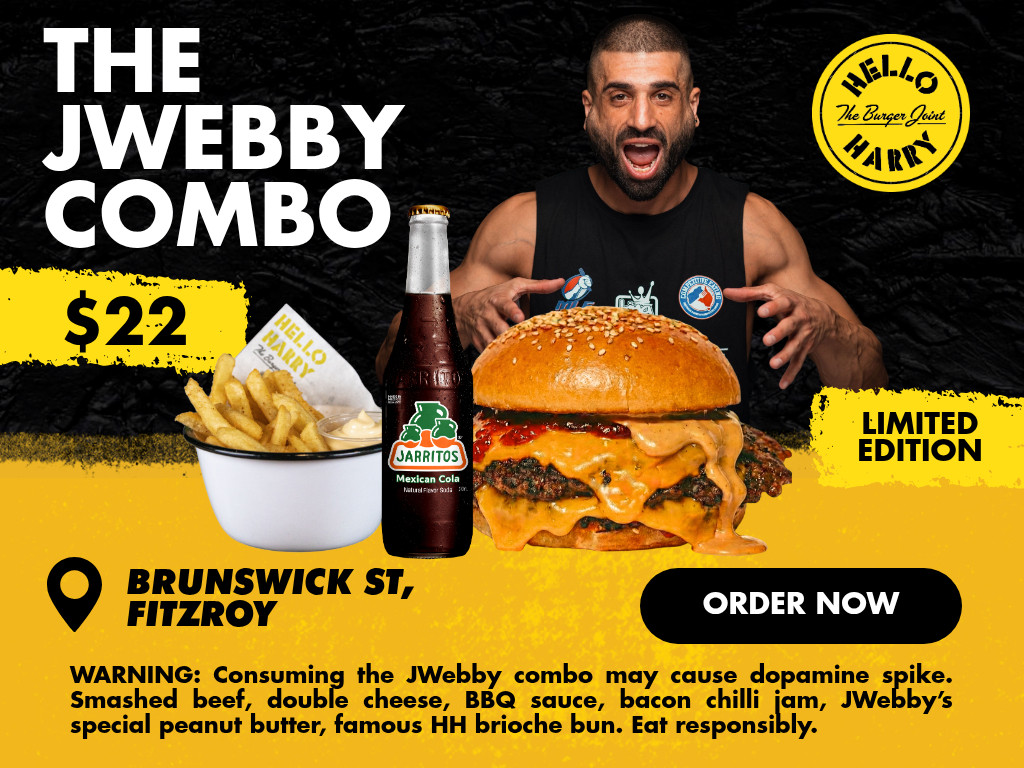
Brand ambassador J Webby, one of the top three competitive eaters in the world, anchored the campaign across product reviews, store visits and content. "We picked someone with real credibility in food who genuinely loves it," Ford said. "He's had input on the product, so when he reacts to it, it's real. He's not doing this for entertainment, food is his life." Ford paired J Webby with a higher volume of lower-cost, raw content creators for diversity across markets, without pulling staff off the floor to be on camera.
April Ford managed the full creative production and direction behind the campaign, from concept through to execution across every platform and every store. That scope covered ambassador search and negotiation, securing J Webby and managing the partnership from first conversation to final sign-off, as well as the UGC creative strategy that ran alongside his content. The team also ran photoshoots and video production for static and video assets, in-store collateral and social content, so the same product-first message carried consistently everywhere Hello Harry's customers encountered the brand.
TikTok now drives 15 to 18 per cent of Hello Harry's total sales and is tracking towards 20 per cent by financial year end. Individual promotions have grown from a few hundred units to several thousand.
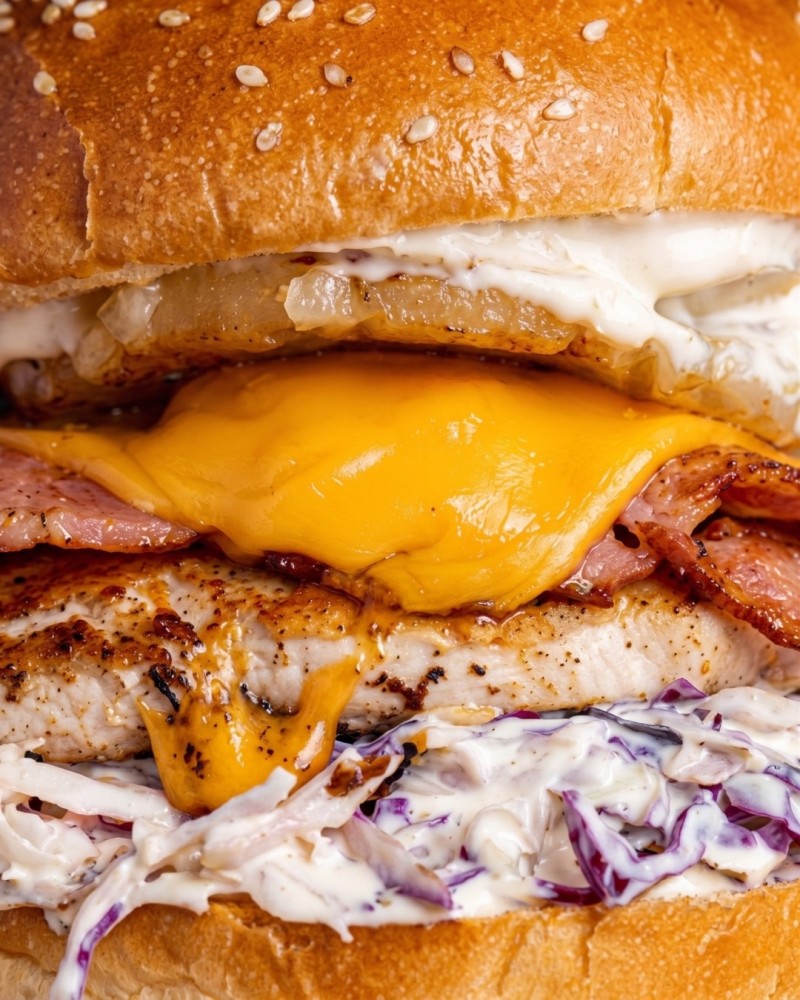
"Get the product and the customer right first, then work out how to monetise it," Ford said. "You don't need a major franchise budget. You just need to be smart about where you put it."
Visit Hello Harry https://www.helloharry.com.au/ or follow along on Instagram or Tiktok.
If you're a franchise group looking to rebuild your own marketing strategy around product and customer, get in touch with April Ford.
Hello Harry runs 22 franchise-owned stores nationally and is growing rapidly. Rather than one national campaign, April Ford took it store by store. "The biggest franchises in the world stick a sports star on a burger who's got nothing to do with flavour, spend a fortune marketing it, and it doesn't sell," Ford said. "So what we did was just make a really good product and partnered with a genuine food-lover, J Webby.
The team looked beyond burgers entirely. They analysed the highest-selling and highest-viewed recipes and flavours across an extended period, not just the past six months. From there, they advised Hello Harry on combinations that were new and interesting but fundamentally tasted good. "The problem with a lot of concept promotions is they just don't taste good," Ford said. "We wanted flavours that were exciting but still landed, so people would buy it more than once. That's when economies of scale actually kick in and they make money."
On media, April Ford built a unique audience for every store, concentrating spend on the customers most likely to walk in. "In-store has a higher average spend," Ford said. "Push everything to delivery platforms and the product's horrible by the time it gets there, plus there's no margin left after the fees. You lose control of the whole experience."
Channel selection followed the audience, not the trend: TikTok for under-25s, Instagram for under-45s, Facebook for everyone else. High-frequency programmatic display reached the brand's core male 25-to-45 customer on the sites they spend the most time on: sport and news, etc. "Click on a burger ad on social and you're flooded by every competitor in the category within days," Ford said. "Display puts food in front of the right person without fighting in the same contested space."
Most franchise groups operate on a mandated marketing levy, a fixed percentage of revenue set out in the franchise agreement. Brendan Ford said that discipline is unique to the model, and it's a big part of why the strategy could work at all. "The first thing I ask a client is what percentage of revenue goes towards marketing," Ford said. "Some have a figure already, some don't and we work it out for them. But with franchises, it's mandated. They have to spend it."
That forced consistency matters more than people think. "You can't go up and down with a franchise marketing budget the way a standalone business might," Ford said. "It has to be spent, and that discipline is why a lot of franchises grow the way they do. It's not a nice-to-have, it's built into the agreement."
Brand ambassador J Webby, one of the top three competitive eaters in the world, anchored the campaign across product reviews, store visits and content. "We picked someone with real credibility in food who genuinely loves it," Ford said. "He's had input on the product, so when he reacts to it, it's real. He's not doing this for entertainment, food is his life." Ford paired J Webby with a higher volume of lower-cost, raw content creators for diversity across markets, without pulling staff off the floor to be on camera.
April Ford managed the full creative production and direction behind the campaign, from concept through to execution across every platform and every store. That scope covered ambassador search and negotiation, securing J Webby and managing the partnership from first conversation to final sign-off, as well as the UGC creative strategy that ran alongside his content. The team also ran photoshoots and video production for static and video assets, in-store collateral and social content, so the same product-first message carried consistently everywhere Hello Harry's customers encountered the brand.
TikTok now drives 15 to 18 per cent of Hello Harry's total sales and is tracking towards 20 per cent by financial year end. Individual promotions have grown from a few hundred units to several thousand.
"Get the product and the customer right first, then work out how to monetise it," Ford said. "You don't need a major franchise budget. You just need to be smart about where you put it."
Visit Hello Harry https://www.helloharry.com.au/ or follow along on Instagram or Tiktok.
If you're a franchise group looking to rebuild your own marketing strategy around product and customer, get in touch with April Ford.
Hello Harry runs 22 franchise-owned stores nationally and is growing rapidly. Rather than one national campaign, April Ford took it store by store. "The biggest franchises in the world stick a sports star on a burger who's got nothing to do with flavour, spend a fortune marketing it, and it doesn't sell," Ford said. "So what we did was just make a really good product and partnered with a genuine food-lover, J Webby.
The team looked beyond burgers entirely. They analysed the highest-selling and highest-viewed recipes and flavours across an extended period, not just the past six months. From there, they advised Hello Harry on combinations that were new and interesting but fundamentally tasted good. "The problem with a lot of concept promotions is they just don't taste good," Ford said. "We wanted flavours that were exciting but still landed, so people would buy it more than once. That's when economies of scale actually kick in and they make money."
On media, April Ford built a unique audience for every store, concentrating spend on the customers most likely to walk in. "In-store has a higher average spend," Ford said. "Push everything to delivery platforms and the product's horrible by the time it gets there, plus there's no margin left after the fees. You lose control of the whole experience."
Channel selection followed the audience, not the trend: TikTok for under-25s, Instagram for under-45s, Facebook for everyone else. High-frequency programmatic display reached the brand's core male 25-to-45 customer on the sites they spend the most time on: sport and news, etc. "Click on a burger ad on social and you're flooded by every competitor in the category within days," Ford said. "Display puts food in front of the right person without fighting in the same contested space."
Most franchise groups operate on a mandated marketing levy, a fixed percentage of revenue set out in the franchise agreement. Brendan Ford said that discipline is unique to the model, and it's a big part of why the strategy could work at all. "The first thing I ask a client is what percentage of revenue goes towards marketing," Ford said. "Some have a figure already, some don't and we work it out for them. But with franchises, it's mandated. They have to spend it."
That forced consistency matters more than people think. "You can't go up and down with a franchise marketing budget the way a standalone business might," Ford said. "It has to be spent, and that discipline is why a lot of franchises grow the way they do. It's not a nice-to-have, it's built into the agreement."
Brand ambassador J Webby, one of the top three competitive eaters in the world, anchored the campaign across product reviews, store visits and content. "We picked someone with real credibility in food who genuinely loves it," Ford said. "He's had input on the product, so when he reacts to it, it's real. He's not doing this for entertainment, food is his life." Ford paired J Webby with a higher volume of lower-cost, raw content creators for diversity across markets, without pulling staff off the floor to be on camera.
April Ford managed the full creative production and direction behind the campaign, from concept through to execution across every platform and every store. That scope covered ambassador search and negotiation, securing J Webby and managing the partnership from first conversation to final sign-off, as well as the UGC creative strategy that ran alongside his content. The team also ran photoshoots and video production for static and video assets, in-store collateral and social content, so the same product-first message carried consistently everywhere Hello Harry's customers encountered the brand.
TikTok now drives 15 to 18 per cent of Hello Harry's total sales and is tracking towards 20 per cent by financial year end. Individual promotions have grown from a few hundred units to several thousand.
"Get the product and the customer right first, then work out how to monetise it," Ford said. "You don't need a major franchise budget. You just need to be smart about where you put it."
Visit Hello Harry https://www.helloharry.com.au/ or follow along on Instagram or Tiktok.
If you're a franchise group looking to rebuild your own marketing strategy around product and customer, get in touch with April Ford.


Powered by three specialist brands under one roof.